Start with the module, not the furniture
Traditional shelving asks you to pick a finished object: this bookcase, that dresser. Modular cube storage asks a smaller question: how many 11.8-inch cubes does your stuff need? Answer that and the furniture designs itself, because every organizer in the HOMIDEC cube storage range is the same module repeated: six, nine, twelve or sixteen bays around a steel-tube frame, closed with panels that assemble by rubber hammer and come apart the same way.
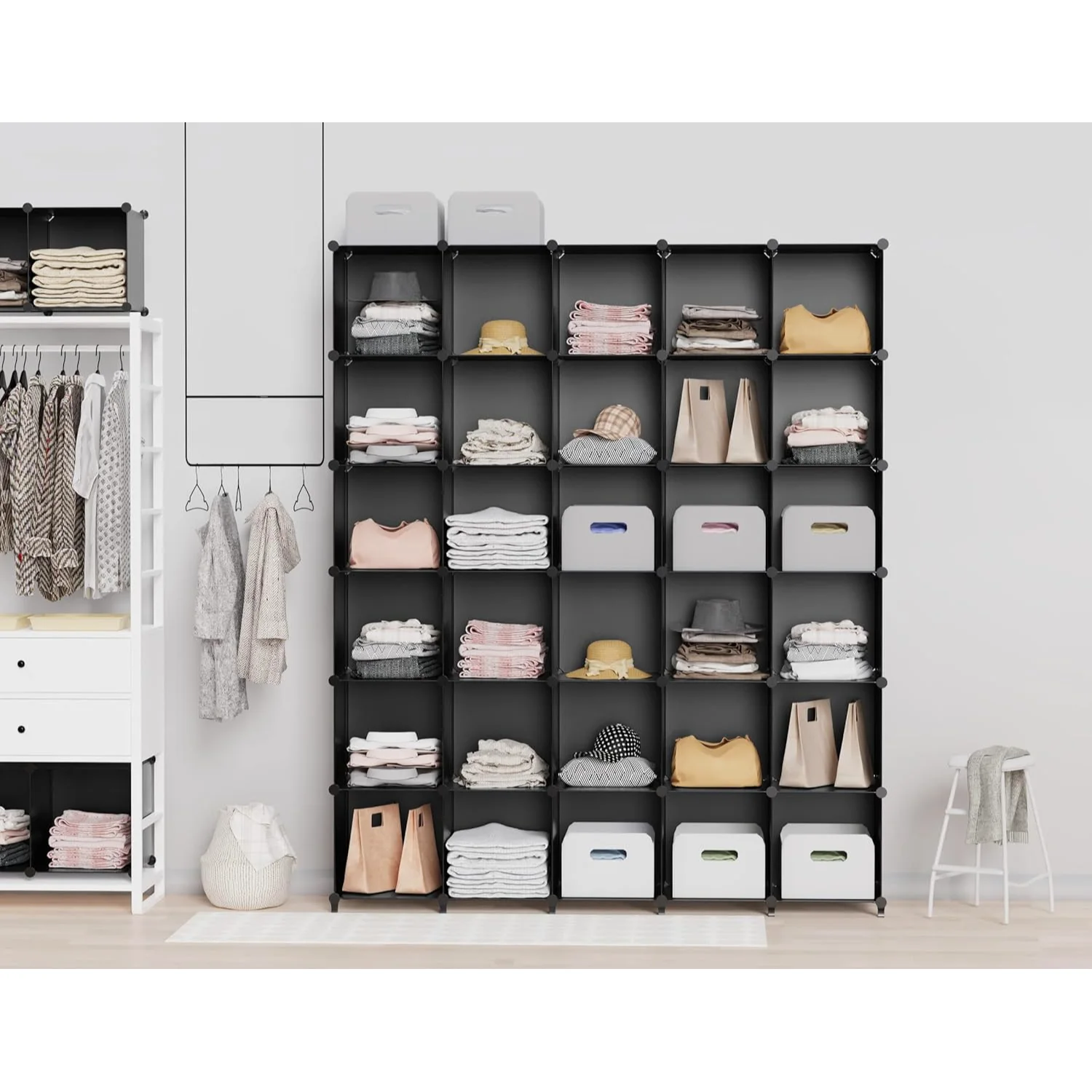
That module is the unit of planning, so it helps to know what one cube actually holds. Measured against ordinary household stuff, an 11.8 x 11.8 x 11.8 inch bay takes roughly:
- 10 to 14 folded T-shirts, stacked flat, or 6 to 8 pairs of folded jeans;
- a row of paperbacks or a short run of hardcovers, spines out;
- two or three handbags standing up, or four rolled towels;
- one drop-in fabric bin of loose things you would rather not look at;
- a toddler's entire stuffed-animal population, temporarily.
Count your piles in cube units, add two bays of slack for the things you forgot, and you have your number.
Which count fits which wall
The four counts in the range are not four sizes of one bookcase; they are four different pieces of furniture, and the table below is the honest map. Footprints are for the standard square-ish layouts; every count also rebuilds into towers and L-shapes, because the connectors do not care.
| Model | Bays | Standard layout | Reads as | Where it earns its keep |
|---|---|---|---|---|
| 6-Cube | 6 | 2 x 3, bench height | Low bookcase | Under windows, beside desks, kids' reach |
| 9-Cube | 9 | 3 x 3 square | Sideboard | Entry walls, living rooms, nurseries |
| 12-Cube | 12 | 3 x 4 upright | Open wardrobe | Closet-less bedrooms, home offices |
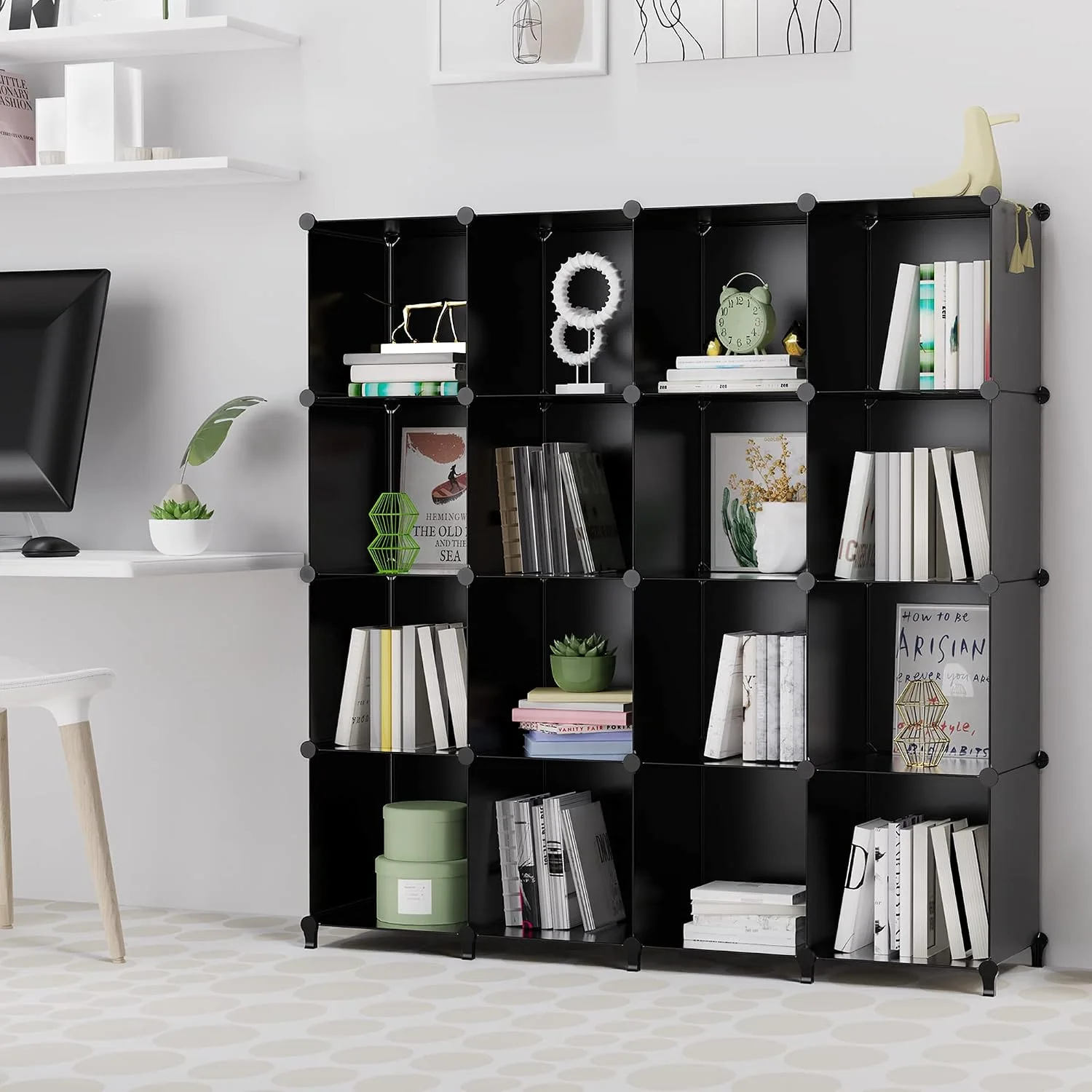
| 16-Cube | 16 | 4 x 4 wall | Storage wall | Basements, playrooms, the garage that behaves |
Two siblings sit off that grid. The wire-mesh cube swaps solid panels for steel grid, which bathrooms and laundry corners prefer: air moves through, damp does not linger. And the XL cube cabinet stretches the module to 13.7 inches for the things a standard bay pinches: sweaters, board games, the printer.
The two rules tall units owe your family
Here is the part of the planner most furniture copy skips. The American Academy of Pediatrics' guidance on furniture tip-overs is blunt: 77 percent of tip-over deaths between 2000 and 2019 involved children under six, about half of fatal incidents happen in bedrooms, and the fix is unglamorous: anchor tall furniture to the wall with anti-tip hardware, which costs five to twenty-five dollars and takes minutes to install.
So, two rules for any cube build taller than a bench, ours included:
- Anchor it. A 12 or 16-cube wall belongs on a wall, literally. Metal anchors beat plastic ones, and heavier builds deserve two. This is a five-minute job with a screwdriver, and it is the difference the AAP page exists to make.
- Load low. The same guidance: heavier items go in the lower bays and drawers. Books and bins of toys down, light things up. A bottom-heavy unit is a stable unit, anchored or not.
Source: American Academy of Pediatrics, Preventing Furniture and TV Tip-Overs (HealthyChildren.org), read 2026-08-07.
Layout recipes that keep working
The entry drop zone
A 9-cube square by the door, three bins in the bottom row, one bay per person. Keys and gloves go in the bins; the open bays take the bag each person actually carries. The top surface becomes the mail shelf. This one layout retires more hallway clutter than any hook rail we know.
The closet-less bedroom
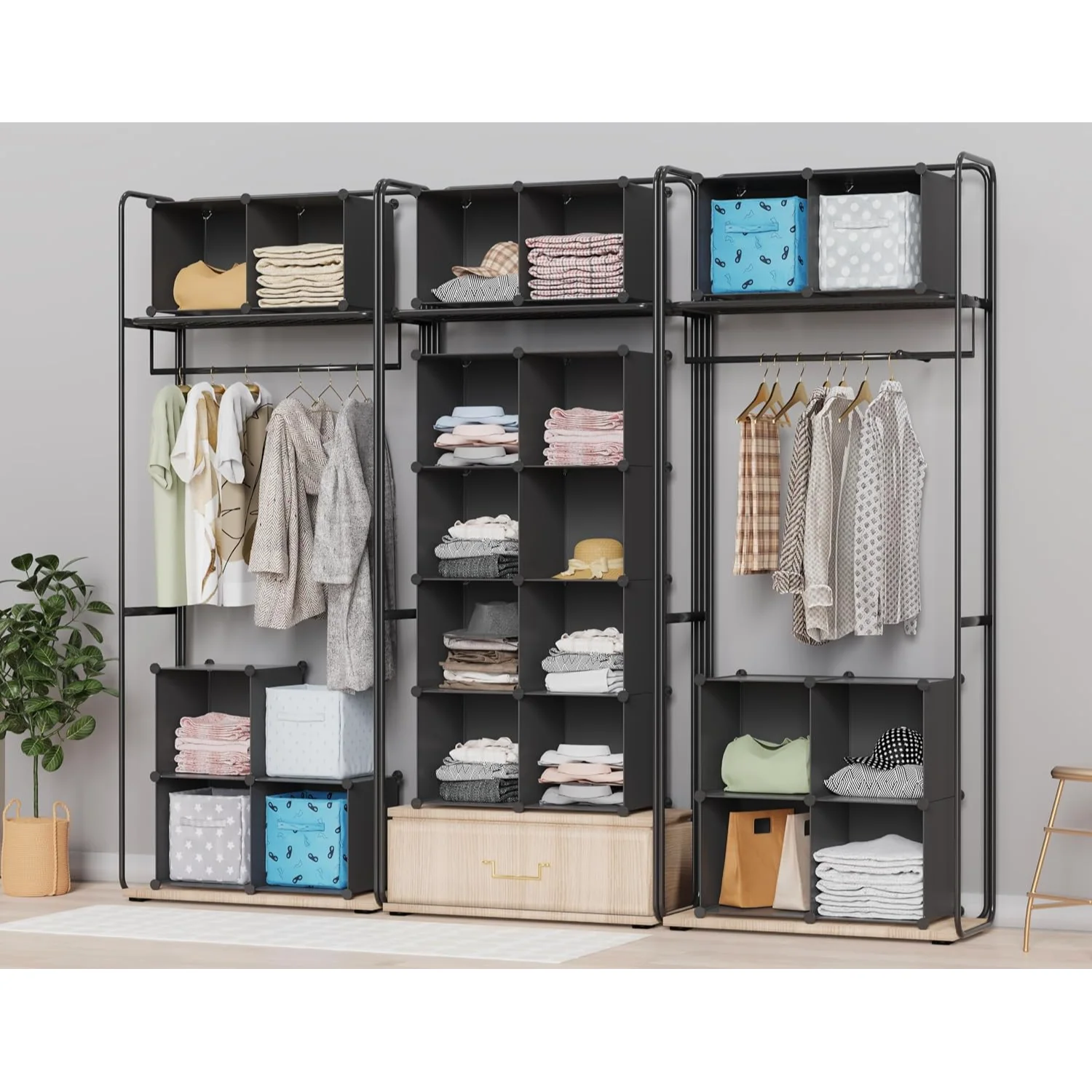
A 12-cube upright plus one of the clothes racks makes a full wardrobe system for less than a single flat-pack armoire: folded clothes in the cubes, hanging clothes on the rack beside it. If the room is short on floor, the 12-cube goes 2 x 6 along the wall under the hanging rail.
The playroom perimeter
Two 6-cube units, bench height, along the wall. Toys live in bins a four-year-old can reach and lift; the top surface is track for cars and parade ground for dinosaurs. When the children outgrow it, the same modules rebuild into a 12-cube for the next job. Keep the anchoring rule even at bench height once a child treats furniture as terrain.
The rental survival kit
Renters move, and this is the storage that moves with you: panels flat in a box, frame in a bag, rebuilt to fit the next room's completely different wall. No other furniture category shrugs off a floor plan change this cheaply.
Bins, and the discipline of the open bay
The fabric drop-in bins turn any bay into a drawer, and the temptation is to bin everything. Resist half of it. A wall of closed bins is a wall you stop reading, and things you stop reading you stop using. The layout that stays useful long-term mixes the two: bins for the one-third of stuff that is genuinely loose or private, open bays for everything you want your eyes to find. The 9-cube with three bins along the bottom row is the pattern to copy.
Assembly, honestly
Every cube kit ships with connectors, panels and a small rubber hammer, and the hammer is not a gimmick: a firm tap seats each connector fully, and fully seated connectors are most of the frame's rigidity. Give a first build forty-five minutes for a 9-cube, less once you have done a row. The other honest note: the panels are engineered plastic and steel, not hardwood, which is exactly why a 16-cube wall costs two figures, weighs little enough to carry upstairs alone and survives the next three apartments. The materials page sets out the build layer by layer.
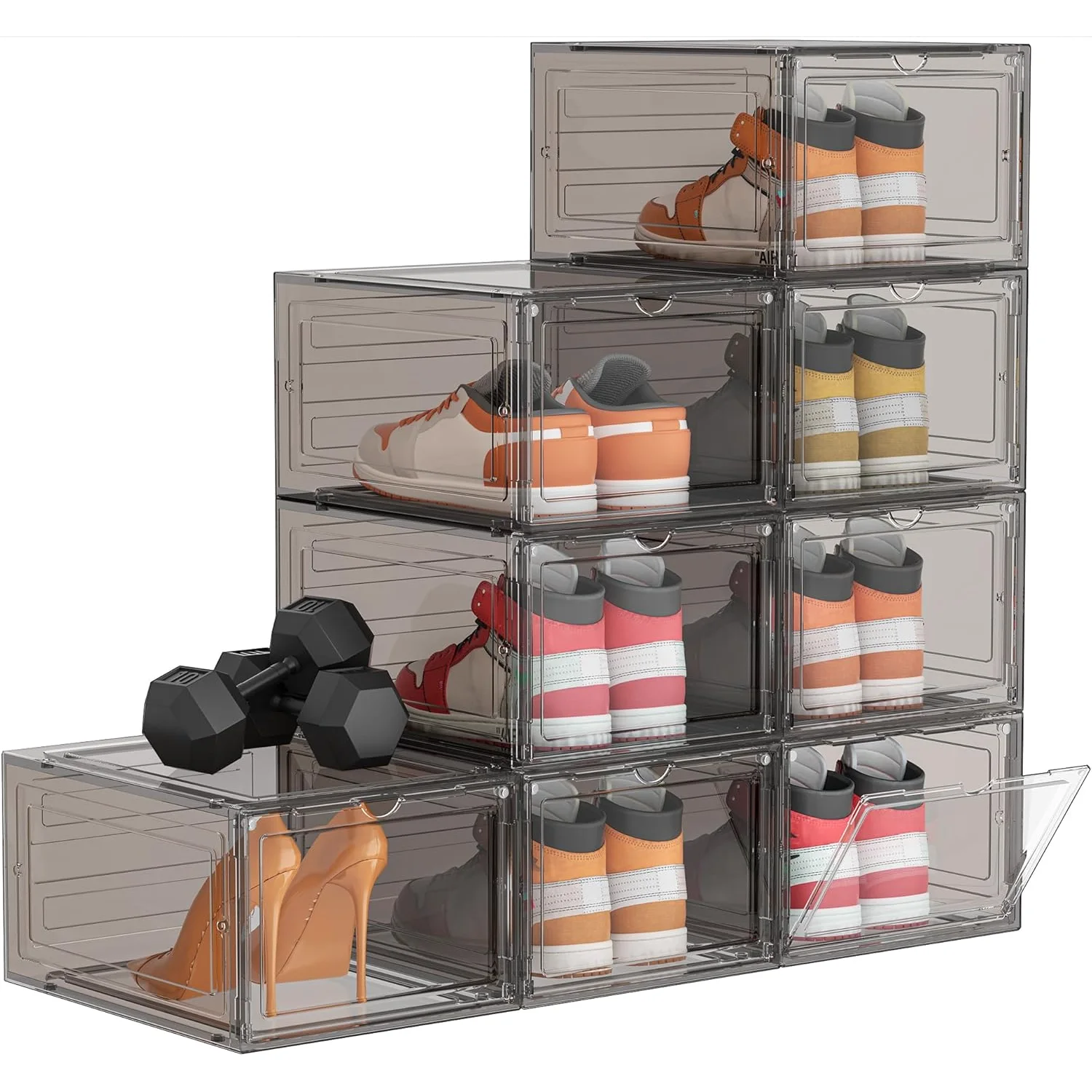
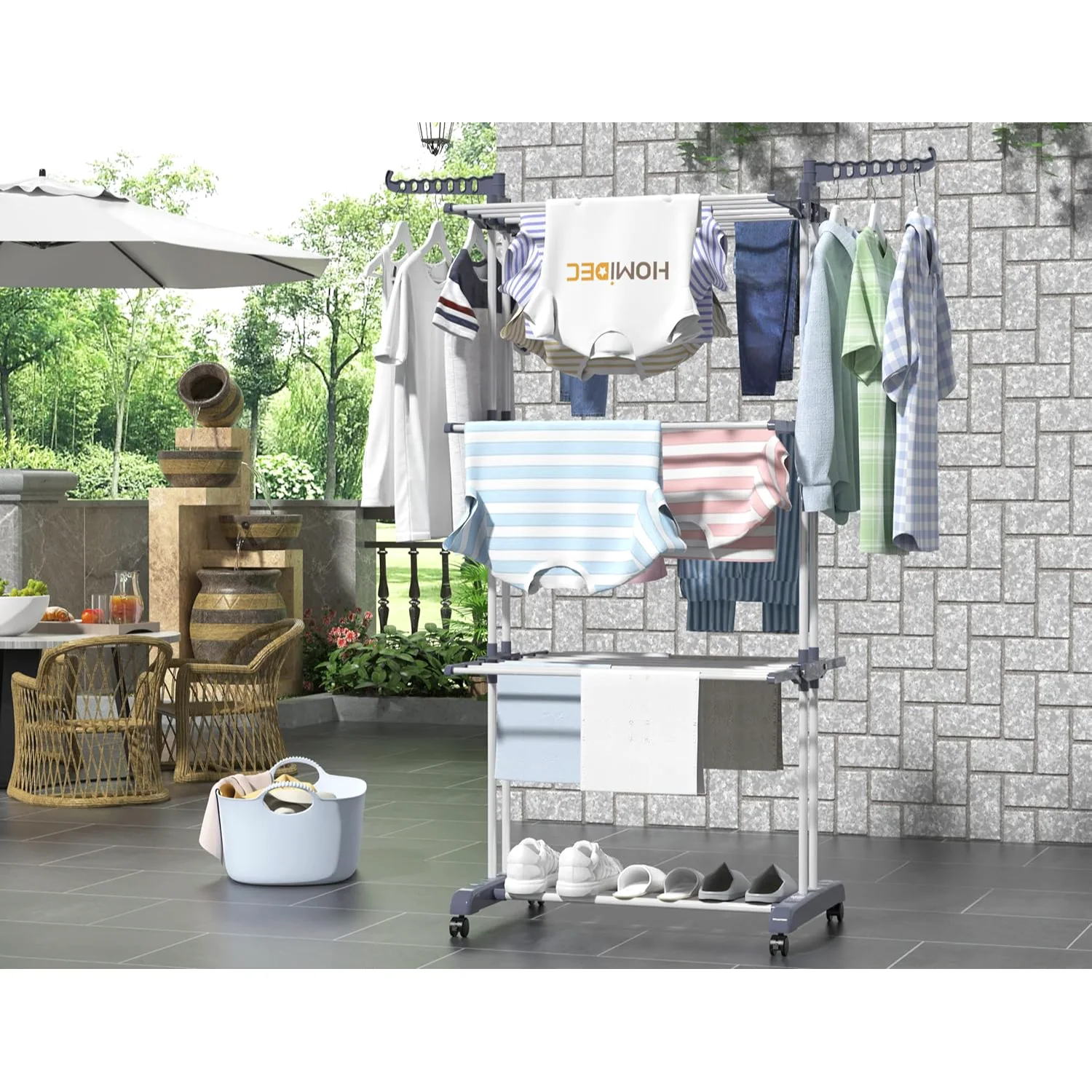
When the count is chosen, the room recipes above will place it, and the rest of the HOMIDEC catalogue fills in around it: the shoe wall by the door, the drying rack by the machine. One system, one module, the whole flat.
Sources opened and read on 2026-08-07: American Academy of Pediatrics, Preventing Furniture and TV Tip-Overs (HealthyChildren.org); EPA ENERGY STAR, Low- to No-Cost Tips for Saving Energy at Home.